Have you ever looked at your child and wondered, "Something feels off… but I can't figure out what it is?"
Every parent goes through that moment of doubt. You love your child more than anything but sometimes, it's hard to tell whether they're just having a bad week or silently struggling inside.
In today's world, kids deal with so much — school pressure, social media, friendship drama, and the pressure to "fit in." Their little minds can get overwhelmed, and that's completely okay. What matters is how we, as parents, respond when they need us the most.
We take our kids to the doctor for every fever or cold — but when it comes to emotions, we often hope they'll "grow out of it."
The truth is, mental health deserves the same care as physical health. Counselling doesn't mean something is "wrong" with your child. It simply means you care enough to help them understand and manage their feelings in a healthy way.
It's not a sign of failure — it's a sign of strong, aware parenting.
Here are some things you might notice if your child could benefit from talking to a professional:
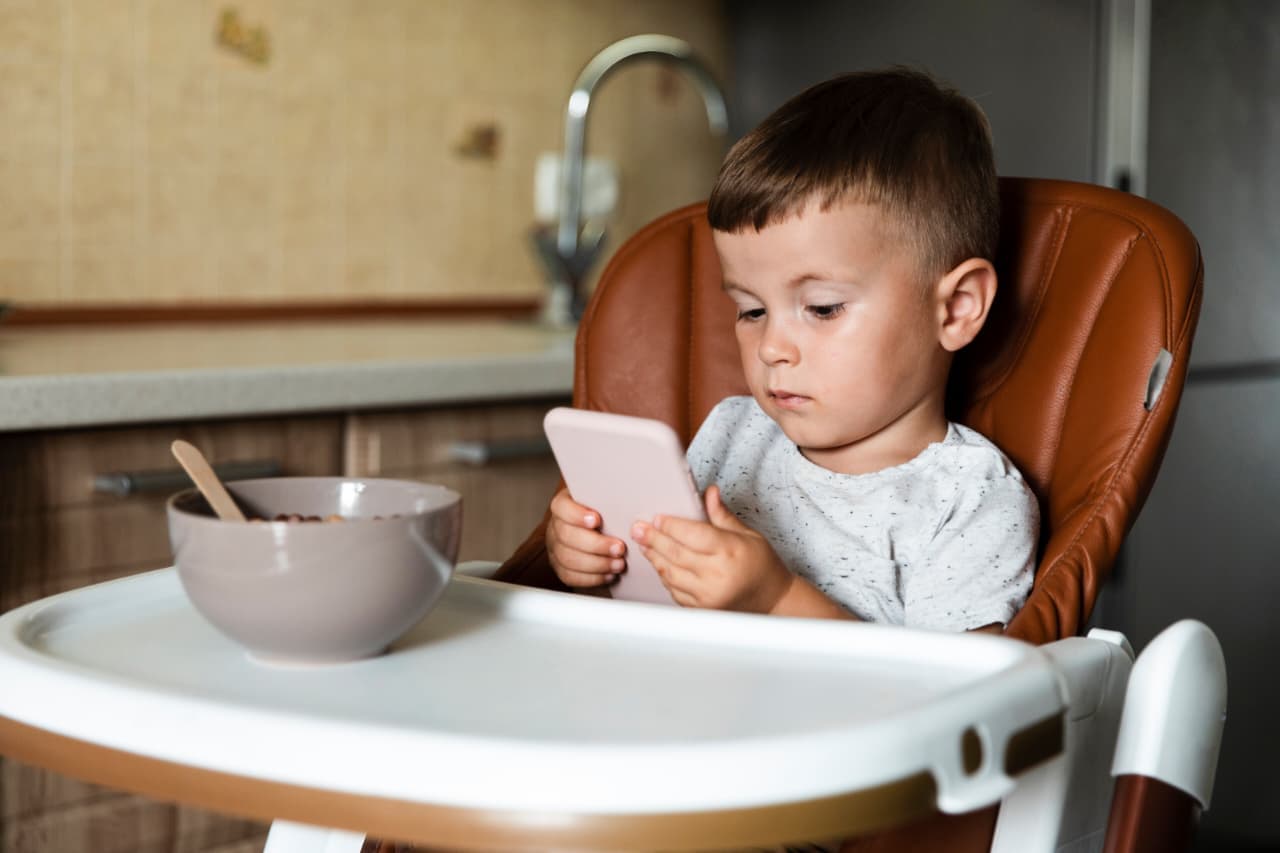
Maybe your usually cheerful child has become quiet or irritable. Or they suddenly lose interest in activities they used to love.
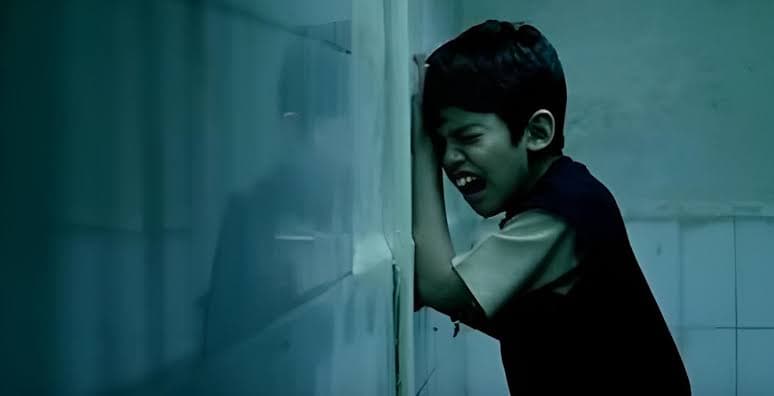
Frequent crying, frustration, or mood swings — things that feel a little too intense for the situation.
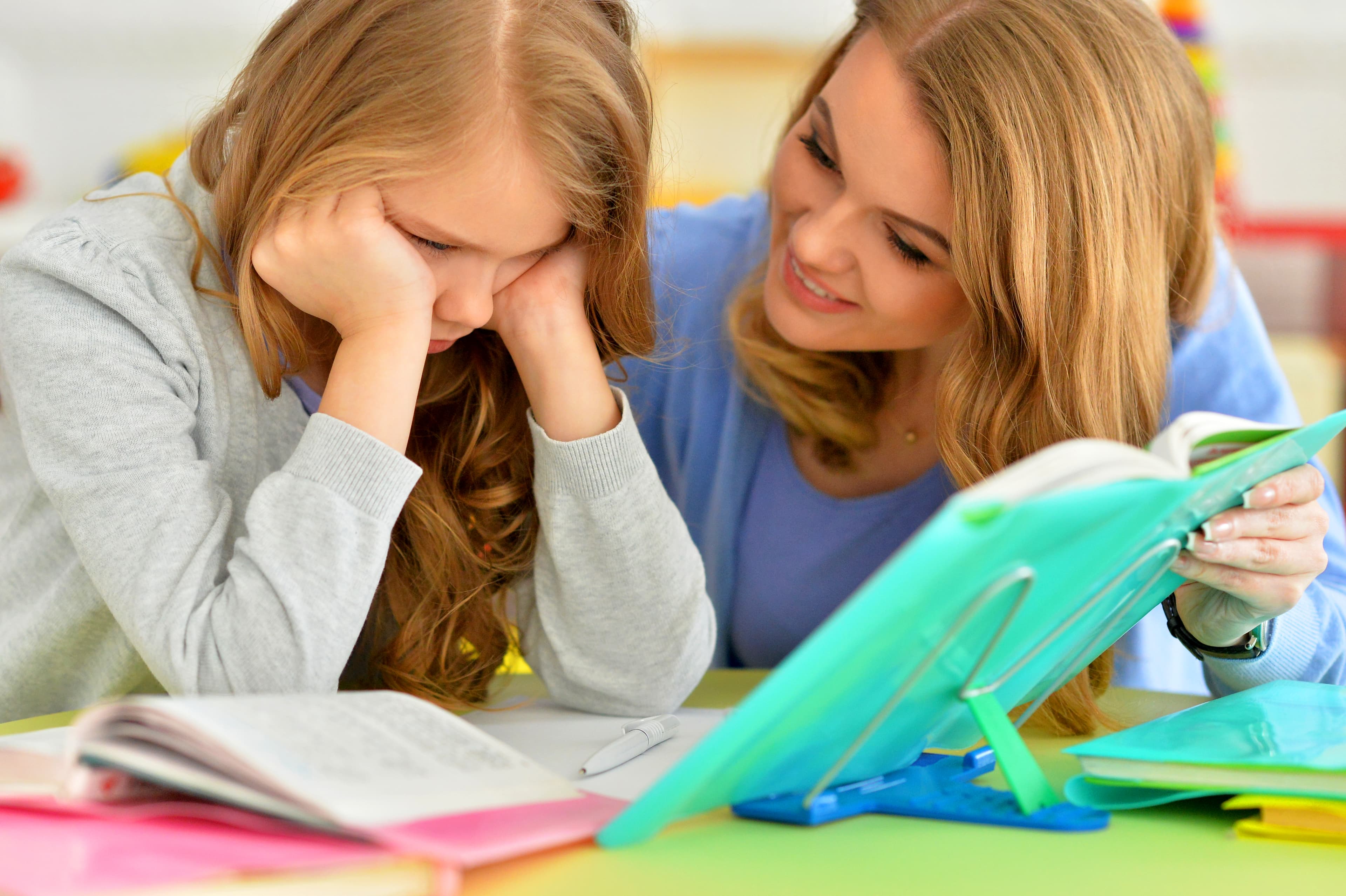
If grades are dropping, or they start avoiding school or friends, it might be a sign something deeper is going on.
Sleeping too much, too little, or changes in eating patterns often reflect emotional stress.
If they worry excessively, cling to you more than usual, or seem scared for no clear reason, anxiety could be at play.
Phrases like "I'm not good enough" or "Nobody likes me" are red flags that they might be struggling with self-esteem.
Getting help early doesn't just solve problems — it prevents them from becoming bigger ones later. Counselling gives children a safe space to talk, play, and express what they can't yet put into words.
It helps them:
At platforms like Psyted, counselling sessions are gentle, confidential, and child-friendly. Therapists use methods like play therapy, art activities, or guided conversations — depending on the child's age and comfort level.
Parents are also included in the process, so you'll understand how to support your child at home too.
And the best part? You can do it all online, from the comfort of home — making it easier for your child to open up in a familiar space.
Remember — your child doesn't need a "perfect" parent. They just need a present one.
Listen when they talk. Observe when they don't. And trust your instincts when something feels off.
If you feel your child might benefit from professional support, reaching out to a counsellor can be one of the kindest decisions you ever make for them.
Children may not always have the words to say "I'm struggling," but their actions speak for them.
When you notice the signs and choose to seek help, you're showing your child that it's brave to ask for support — and that mental health truly matters.