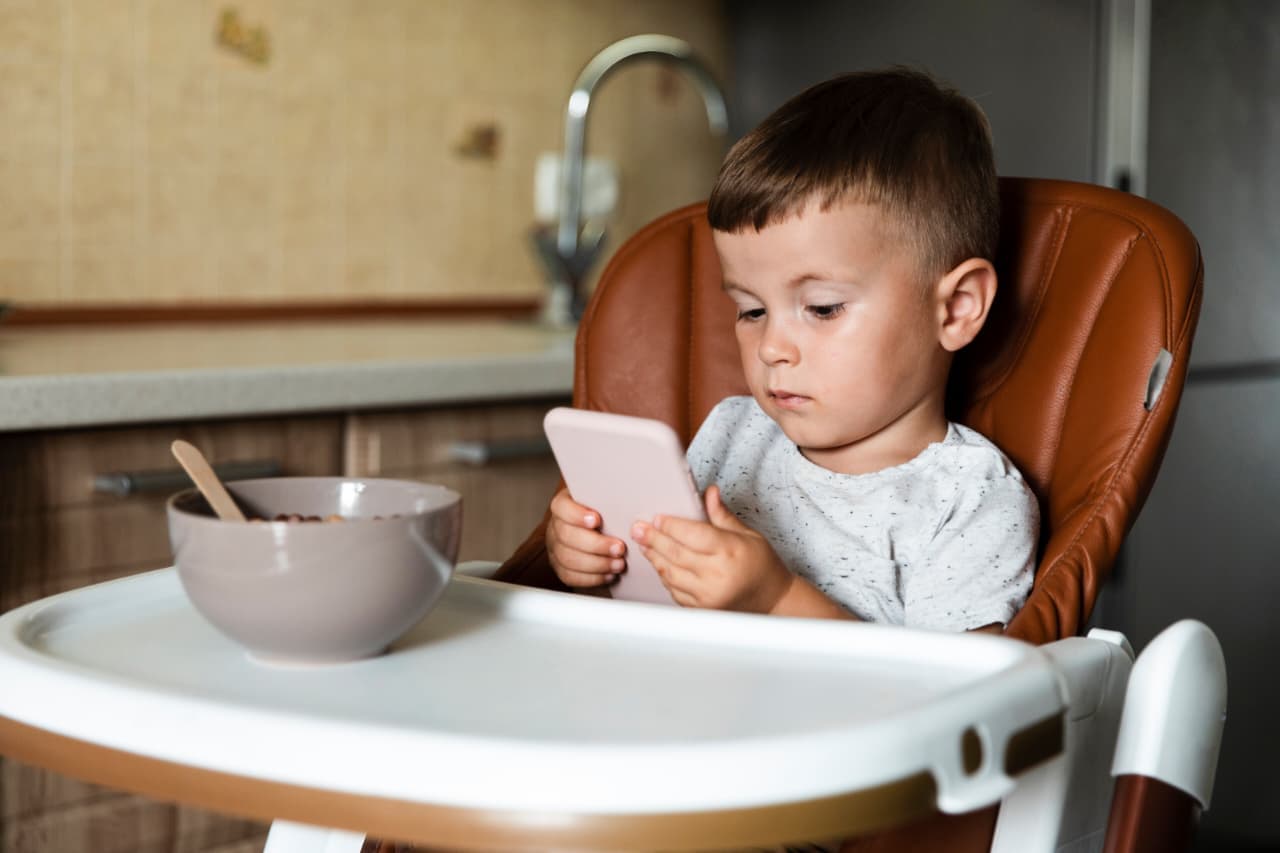
It's 9 p.m. Riya's science notebook is still open, untouched. Her tablet glows softly as she scrolls through yet another "five-minute" YouTube break that somehow turned into half an hour.
Her mother sighs, torn between frustration and concern. "Why can't she just focus?" she wonders.
Sound familiar?
In today's world, almost every home faces this tug-of-war between screens and studies, focus and distraction, pressure and peace.
And as parents, we often end up asking ourselves: How do I let my child enjoy technology without losing sight of learning?
The answer isn't about strict rules or punishments — it's about balance.
At Psyted, we believe true learning happens when a child's mind is calm, focused, and happy. Let's explore how you can create that balance at home — where screen time, studies, and emotional well-being can coexist peacefully.
Let's face it — technology isn't going anywhere. It's part of our children's lives just as much as books and notebooks once were for us.
The real challenge isn't screens themselves, but how we use them.
Not all screen time is bad. Online classes, educational videos, or creative apps can help kids explore, learn, and grow. What matters is helping them understand the difference between "learning screens" and "leisure screens."
Try setting a simple rule: "Learn first, play later."
When used mindfully, technology can become a partner in your child's education — not a distraction.
Many children escape into screens not because they're lazy, but because they feel overwhelmed.
When every exam or assignment becomes a measure of self-worth, stress takes over. That's when they start avoiding books and reaching for distractions.
As parents, one of the best things we can do is shift our focus from grades to growth.
Instead of saying, "You need to get top marks," try saying, "Let's just do our best and learn something new today."
This small change can make a huge difference in how children see learning — not as pressure, but as progress.
Children thrive when there's rhythm and structure in their day. It gives them a sense of stability and control.
Here's a simple approach you can try at home:
The goal isn't to restrict — it's to restore balance. When kids know there's time for everything, they resist less and cooperate more.
Let's be honest — it's hard to tell your child to "put the phone down" when we're scrolling ourselves.
Children learn more from what we do than what we say.
Try setting your own screen limits too — no phones at dinner, no scrolling during family time. These little gestures show your child that balance applies to everyone, not just them.
When they see us practice it, they're far more likely to follow.
If you take away the tablet without offering anything meaningful instead, your child will feel punished — not guided.
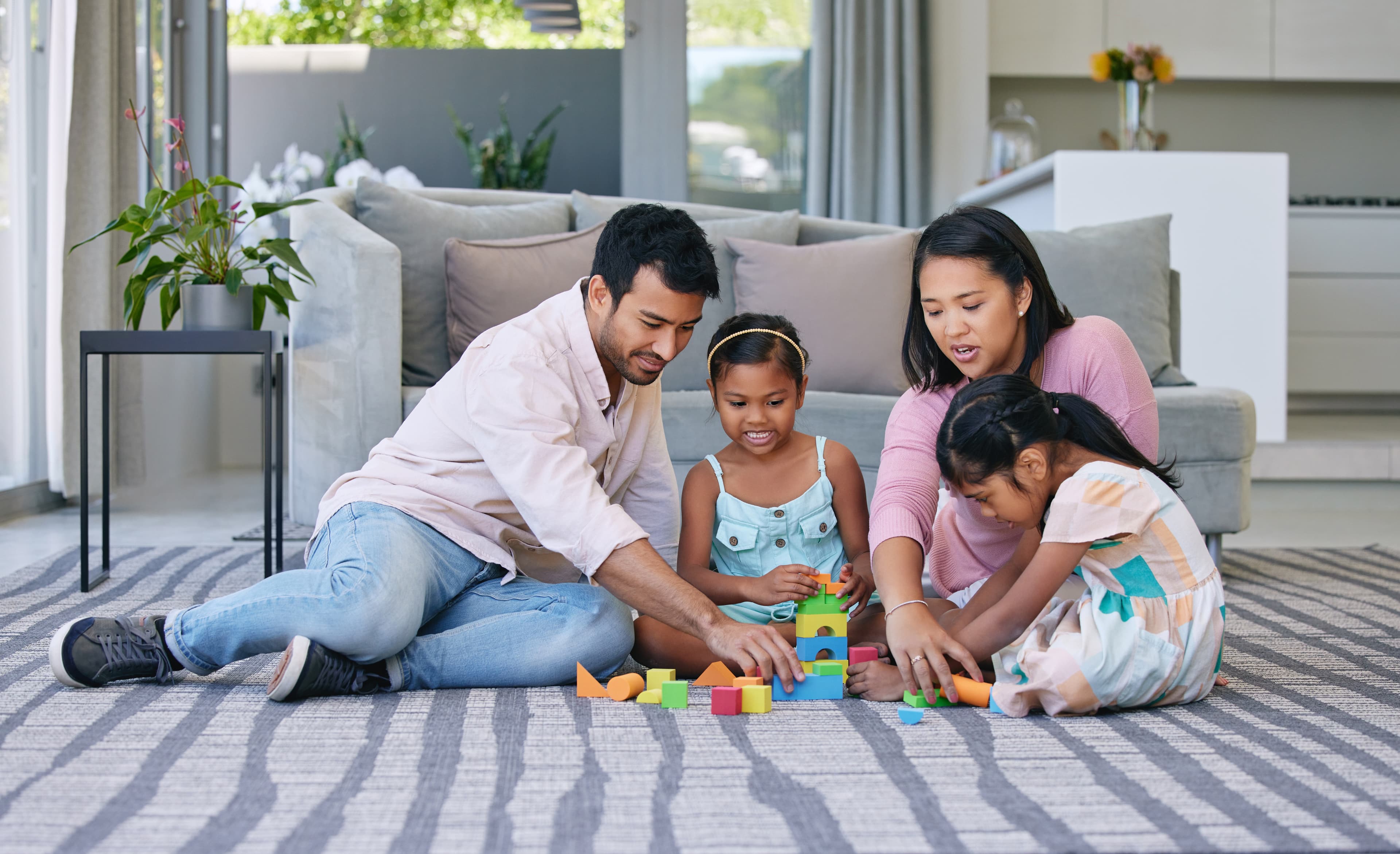
So, replace that time with connection.
Cook together. Go for an evening walk. Tell stories about your own school days. Play a quick board game.
Children crave connection more than entertainment — they just don't always know how to ask for it.
When they feel emotionally fulfilled, their dependence on screens naturally fades.
Banning screens altogether doesn't work — but mindful usage does.
Encourage your child to take short breaks, adjust brightness, or limit social media scrolling. Introduce them to learning apps, creativity tools, or audiobooks that make screen time useful.
Make it a joint project: "Let's find one fun learning app together today."
When kids feel involved in setting boundaries, they're more likely to stick to them.
Sometimes, constant studying and digital overload lead to something deeper — academic burnout.
If your child seems irritable, tired, or disinterested, it might not be a lack of discipline. It could be their mind asking for rest.
When that happens, pause. Ask them how they're feeling. Maybe they need a mental break, a different study method, or simply reassurance that they're doing okay.
At Psyted, we remind parents that emotional well-being always comes before academic achievement. A calm child learns better than a pressured one.
Instead of fighting against screens, use them smartly.
Online platforms are built to make screen time productive — where children learn through engaging lessons, supportive tutors, and personalized guidance.
It's not about taking away technology — it's about turning it into a tool for growth.
Balancing screen time and academic pressure isn't about strict rules — it's about understanding, connection, and small, mindful steps.
Children don't need a perfect schedule. They need a peaceful home that understands their struggles and celebrates their small wins.
So, the next time you see your child on a screen, take a deep breath. Instead of saying, "Get off that phone," try saying, "Let's take a short break together."
Because parenting isn't about control — it's about guiding with love.