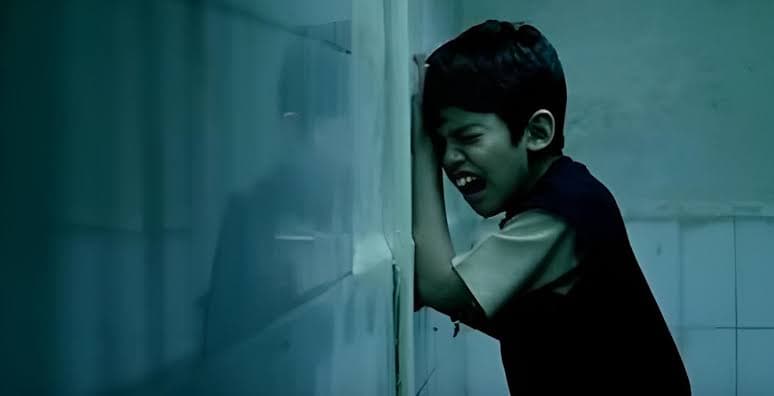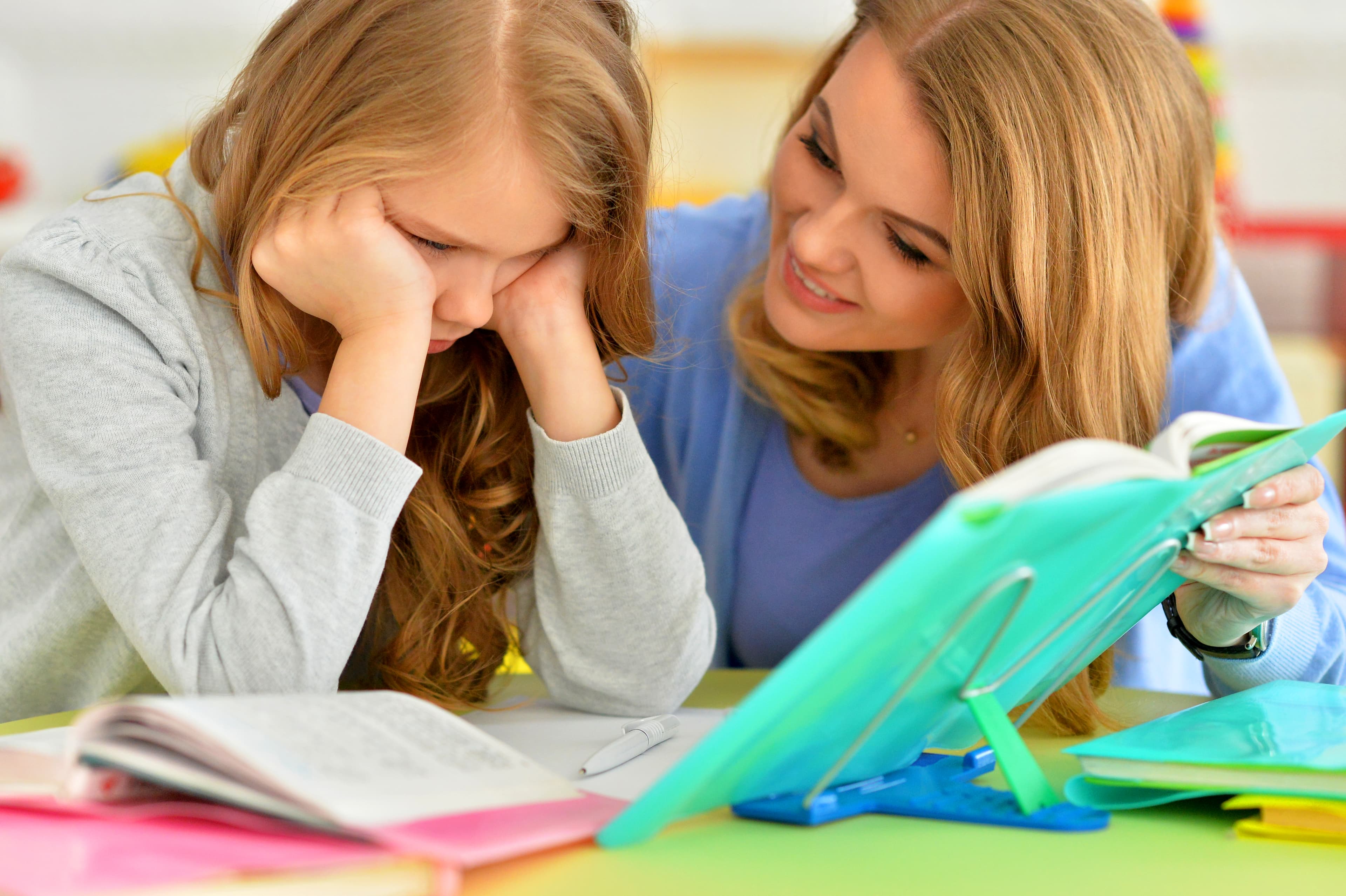

It was a bright Monday morning, but 10-year-old Aarav stood frozen at the school gate.
His friends were laughing, running, and waving goodbye to their parents — but he clutched his mother's hand tightly.
"Can I stay home today, Amma?" he whispered, his voice trembling.
His mother smiled gently, "You love school, Aarav. What's wrong?"
He looked down and said softly, "They'll laugh if I answer wrong again."
That's not naughtiness. That's not stubbornness. That's anxiety — and it often hides behind silence, shyness, or stomach aches before school.
Children today live in a fast-paced, performance-driven world. Marks, activities, expectations — everything feels like a competition.
But inside that little heart, there might be a storm of self-doubt: "What if I fail?" "What if they don't like me?" "I'm not good enough."
These quiet thoughts often lead to childhood anxiety or low self-esteem.
And what hurts most? They rarely tell us directly. Instead, they show it — through behaviour.
Here are a few gentle signals your child might be struggling emotionally:
Every child shows anxiety differently. But when fear and self-doubt start controlling their choices, it's time to step in — not with pressure, but with presence.
Last year, little Meera joined her school's drawing competition. She loved art — she could spend hours painting skies and stars.
But on the competition day, she froze. She looked around at the colourful drawings of others and whispered, "Mine looks silly."
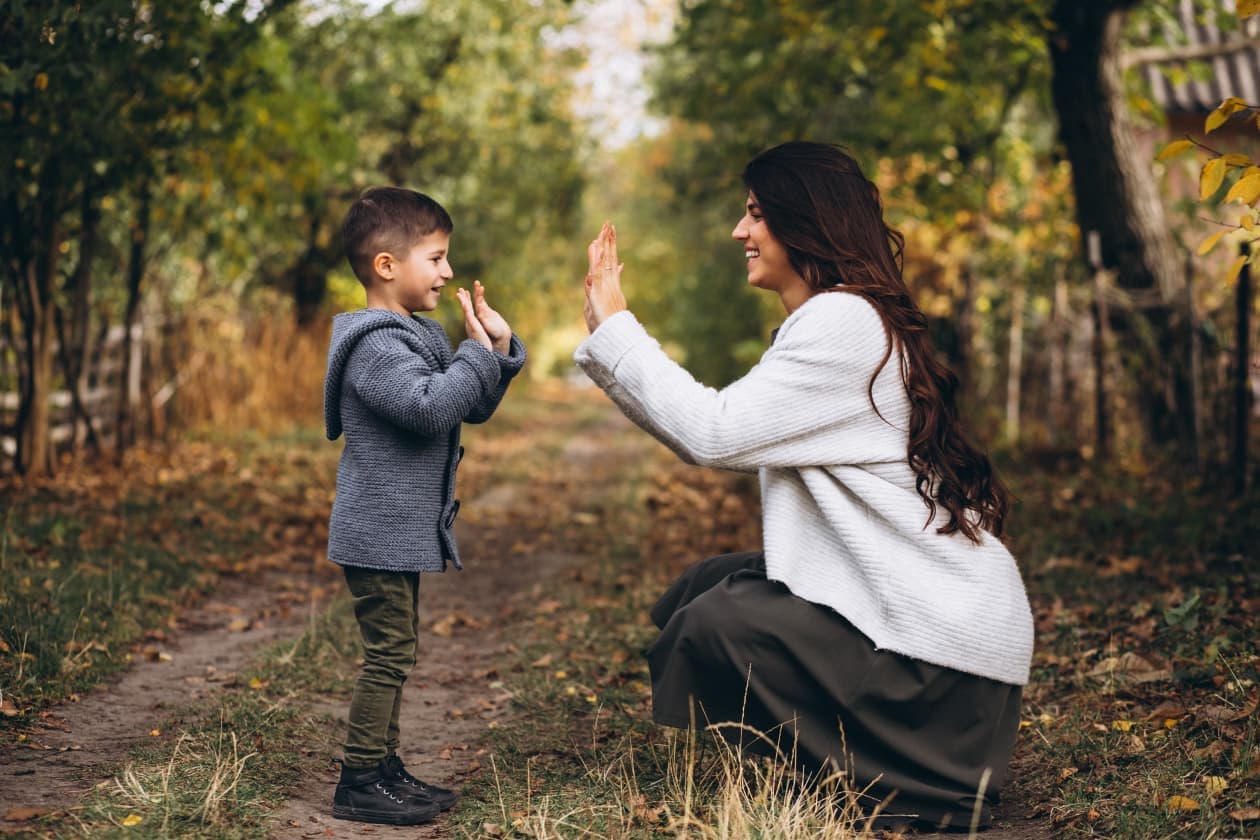
Her mother knelt beside her and said softly, "It doesn't have to be perfect, Meera. It just has to be yours."
Meera smiled a little and began to draw again. She didn't win that day — but she didn't walk away either.
That moment planted a seed of self-belief — one that would grow stronger with each small success.
When your child says, "I'm scared," or "I can't do it," don't rush to fix it. Say, "Tell me more." Let them express their fears fully. Sometimes, just feeling heard reduces half the anxiety.
The fastest way to shrink a child's confidence is to compare. Instead of, "Look how well your cousin studies," try, "I love how you tried your best today." Every child blooms at their own pace — comparison only dims their light.
If your child studies hard but scores low, celebrate the effort. This teaches them that trying matters more than winning. Over time, it builds resilience — the superpower that helps them bounce back from setbacks.
Children see themselves through their parents' eyes. So when you say, "I trust you," or "You're capable of handling this," you're building their inner voice — one that will echo in their future challenges.
Children learn emotions by watching us. If we panic when things go wrong, they absorb that fear. If we stay calm and breathe through stress, they learn emotional balance. "Let's take three deep breaths, okay? We're safe."
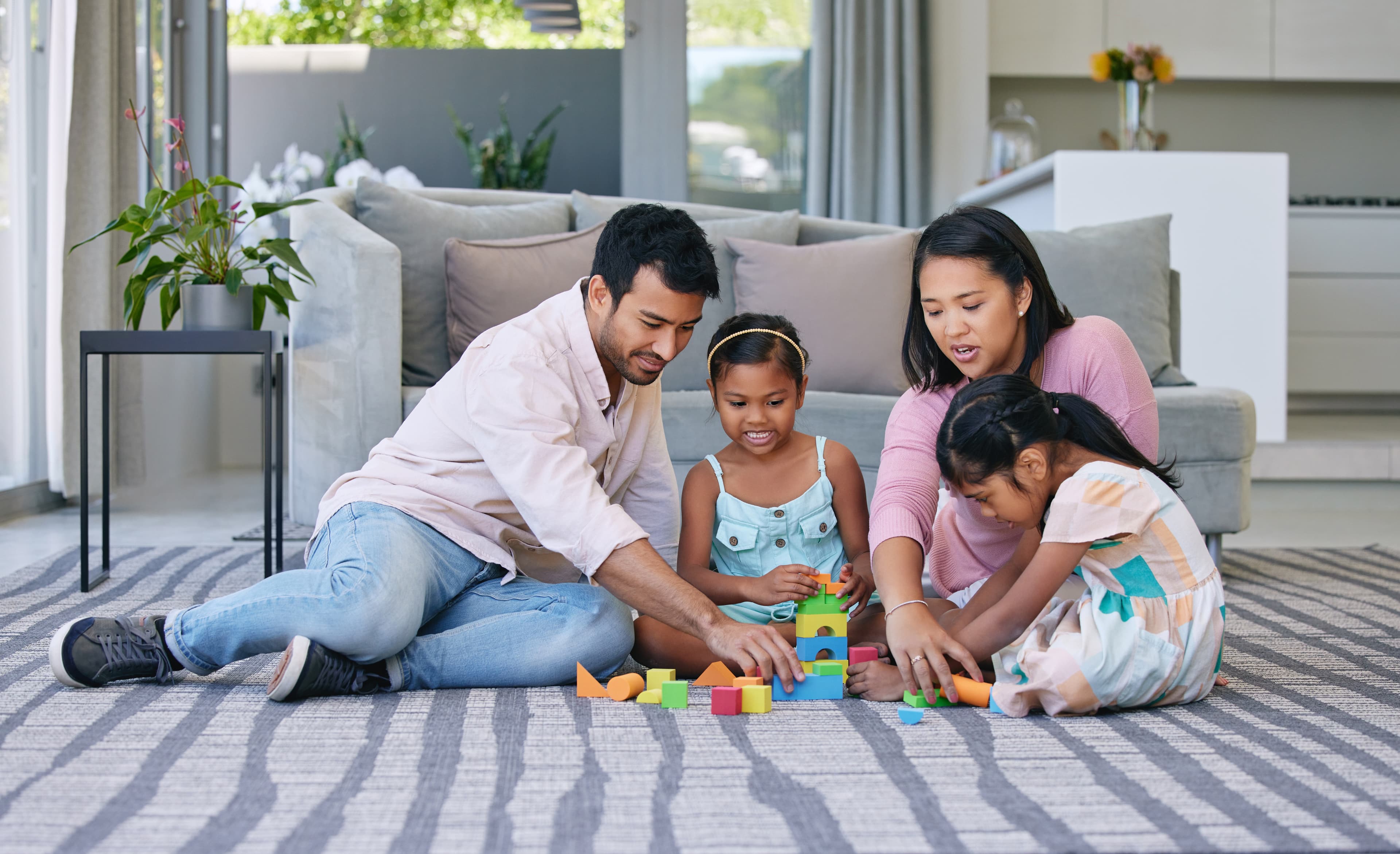
Home should feel like a hug, not an exam hall. Make space for open conversations — no judgment, no yelling. Even a nightly talk before bedtime ("How did you feel today?") helps your child feel supported and seen.
Confidence isn't taught — it's experienced. Let your child order food at a restaurant, ask for directions, or make small decisions. Each act of independence is a brick in the wall of self-esteem.
If your child's anxiety is affecting sleep, appetite, or school performance — or if they constantly feel "not good enough" — reach out to a child psychologist or counsellor. Platforms like Psyted connect parents with trained psychologists who help children build emotional resilience and confidence.
Children don't remember every lecture — but they always remember how we made them feel.
Here are a few powerful phrases you can use every day:
These small sentences, repeated often, can heal what anxiety breaks.
Parenting a child with anxiety or low self-esteem isn't easy — it takes patience, understanding, and a whole lot of heart.
But remember this: your calmness becomes their courage. Your belief becomes their confidence. And your love — gentle, consistent, and unconditional — becomes their safe place in a noisy world.
So, hold that little hand a bit longer. Listen a bit deeper. And remind them, every single day — "You are brave, you are loved, and you are enough."