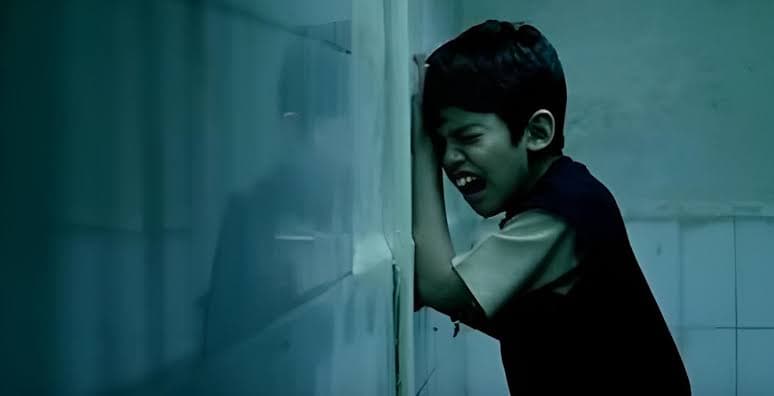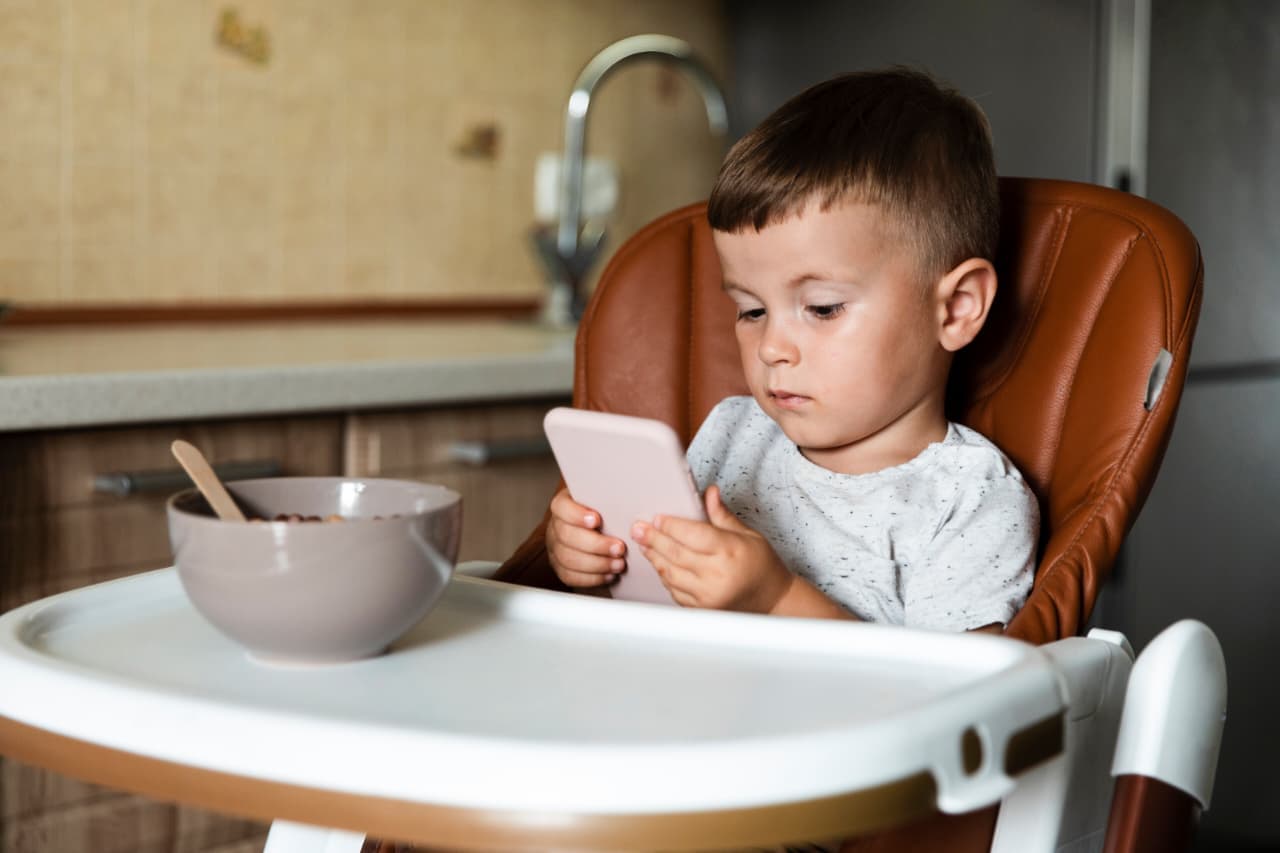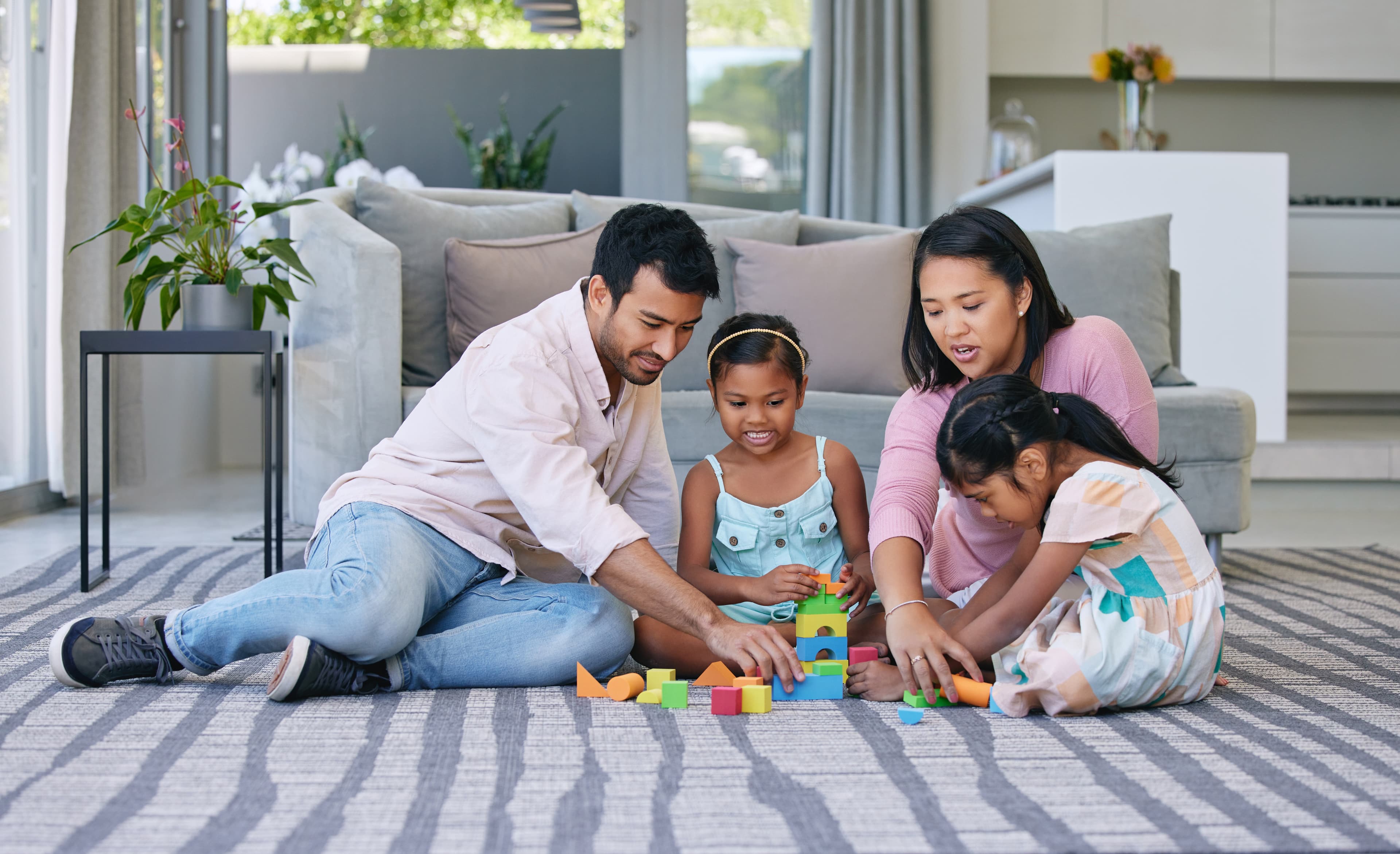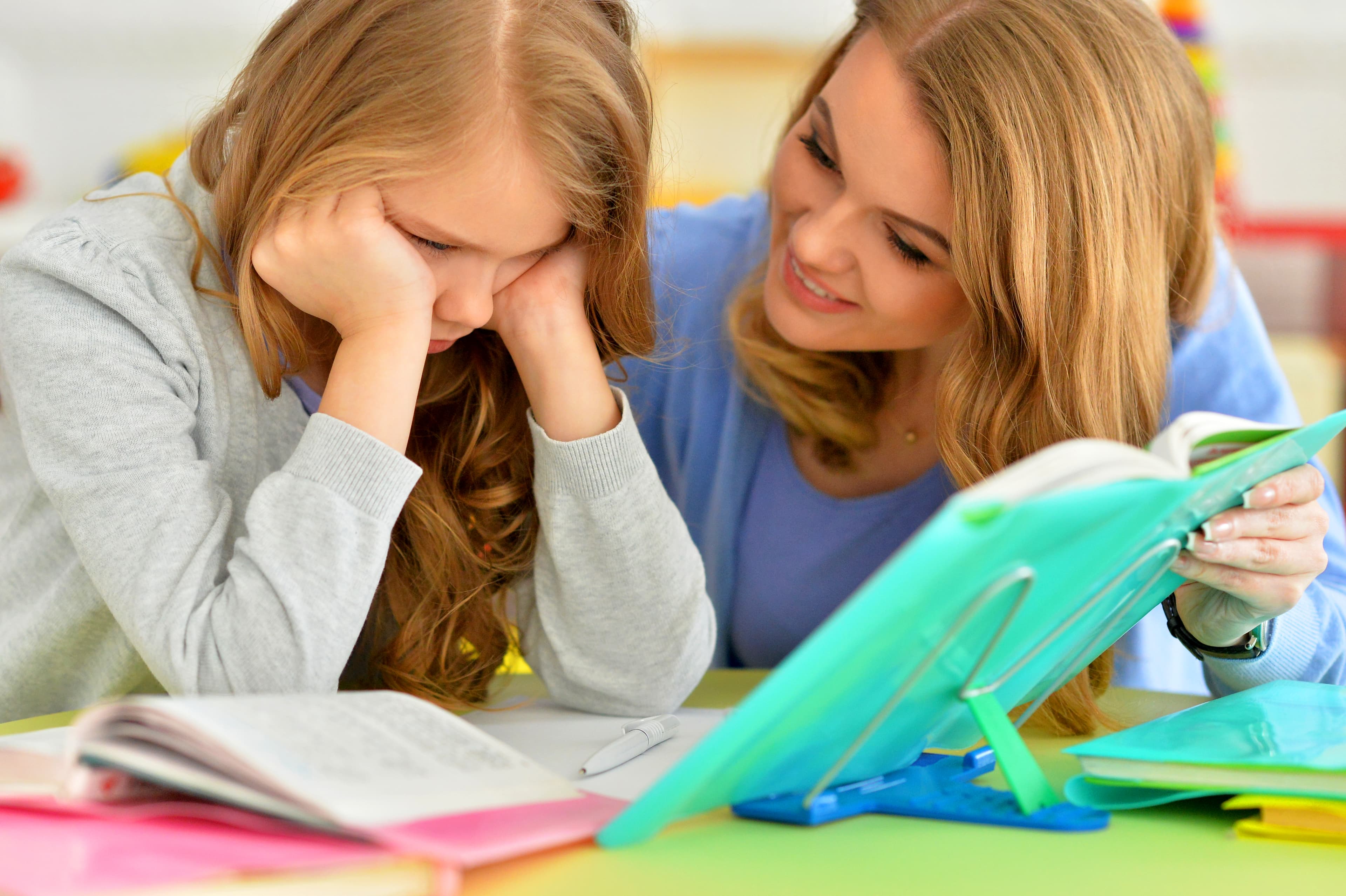

Have you ever seen your child throw a tantrum over something small — like not getting a toy or losing a game — and thought, "Why are they reacting like this?"
Or maybe your child shuts down completely when they're upset — no words, just silence.
As parents, moments like these can be confusing and even frustrating.
But here's the truth — our children aren't born knowing how to handle emotions. They learn emotional intelligence from us — their first teachers.
Emotional intelligence simply means being aware of your own emotions, managing them wisely, and understanding others' feelings too.
It's what helps a child say, "I'm angry because my toy broke," instead of throwing it across the room.
It's also what helps them comfort a friend, share, forgive, or talk things through instead of shutting down.
In today's fast-paced, competitive world — where even small kids face social pressure, screens, and stress — raising emotionally intelligent children is not just a choice, it's a necessity.
Ammu's 7-year-old daughter, Meera, loved drawing. But one day, when her picture didn't come out the way she wanted, she tore it up, screamed, and ran to her room.
Ammu was angry at first — she almost shouted, "Don't overreact!"
But she stopped herself, took a deep breath, and went to Meera's room later.
She hugged her and said softly, "I can see you're upset because your drawing didn't look the way you hoped. That must be frustrating."
Meera's eyes welled up. She nodded. They sat quietly for a moment. Then Ammu said, "Do you want to try again together?"
That small moment of naming the emotion, validating it, and guiding her through it — became one of Meera's most powerful lessons in emotional intelligence.
For decades, Malayali parents have prioritised academic excellence — and rightly so. Education is important. But today's world demands more than marks.
Children with strong emotional intelligence:
Research shows that emotional intelligence predicts success in life more accurately than IQ.
In short — a child who can understand themselves and connect with others will always go farther than one who only knows how to memorise facts.
Help your child put feelings into words. Instead of "Stop crying!", say "You look sad. Want to tell me what happened?" When kids learn the names of feelings — sad, angry, excited, scared — they learn to manage them better.
Children learn emotional control by watching you. If you shout, they'll shout. If you stay calm, they'll learn calmness. Take deep breaths before reacting — especially when tempers rise at home.
Malayali families love food — so use mealtimes to talk. Ask, "What made you happy today?" or "Was there something that bothered you?" Open communication makes children feel safe to share — even about difficult topics later.
If your child says, "My friend didn't talk to me," don't immediately offer solutions. First, say: "That must have hurt. Want to tell me more?" Sometimes, just being heard is enough for a child to process emotions healthily.
Emotional intelligence isn't built in one big talk — it's shaped through small daily moments: Apologise when you make a mistake, show gratitude, and celebrate kindness.
Instead of saying "You should have scored better," try "What do you think went wrong? What can we do differently next time?" This shifts the focus from failure to growth — a key part of emotional resilience.
Sometimes, despite our best efforts, children still struggle with anger, fear, or anxiety.
That doesn't mean you've failed as a parent — it simply means your child might need extra emotional support.
Platforms like Psyted offer child counselling and online therapy in a safe, understanding space — with psychologists who speak the same language and understand Malayali family dynamics.
A counsellor can help your child express emotions in healthy ways and build coping strategies that last a lifetime.
When a child says, "I'm scared," and we reply, "Don't be silly," we teach them to hide emotions.
But when we say, "I understand, that sounds scary," we teach them it's okay to feel.
Validation doesn't mean agreeing with every behaviour — it means acknowledging the feeling behind it.
And that one skill alone can transform your relationship with your child.
Dear parents, emotional intelligence begins at home — in the small, everyday interactions between you and your child.
When you listen instead of scold, when you empathise instead of dismiss, when you model calm instead of chaos — you're raising a child who'll know how to handle life with strength, empathy, and balance.
Because at the end of the day, what the world truly needs isn't just more intelligent people — it needs kind, emotionally aware humans.
So the next time your child cries, shouts, or shuts down — take a deep breath. Look beyond the behaviour. There's a feeling waiting to be understood.
And when you choose to understand — you're not just parenting. You're nurturing a whole, emotionally strong human being.