It's exam season again — books piled up, highlighters scattered everywhere, and anxious whispers of "Did you study that chapter?" echoing through homes.
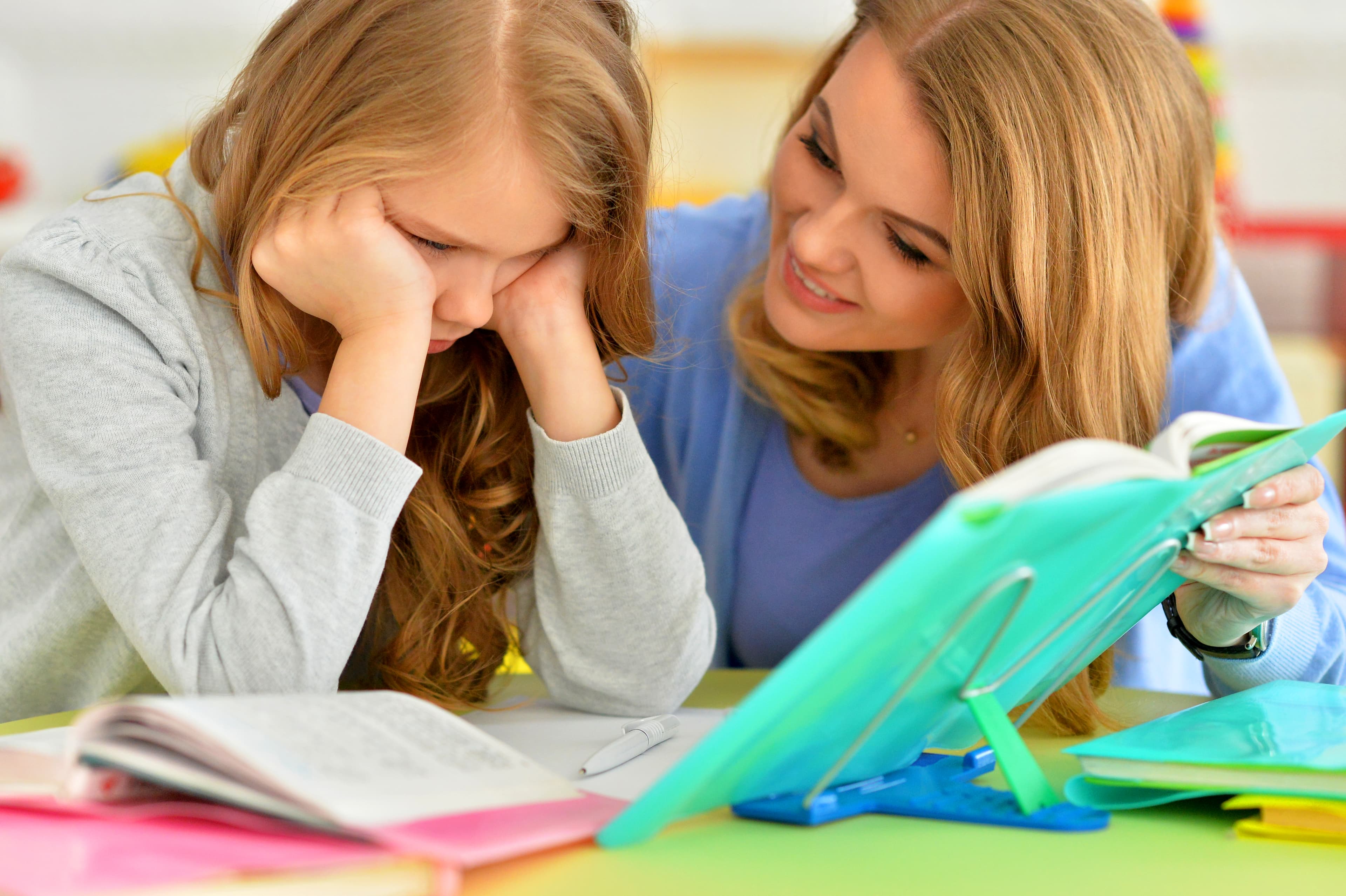
As parents, we've all been there — watching our kids bend over their notes, eyes heavy, hearts racing. We want them to do well. We want them to shine. But sometimes, in the middle of all the grades, timetables, and expectations, we forget something vital — their mental well-being.
A mother once noticed her 12-year-old son, Aarav, studying till midnight for weeks. He wasn't smiling much lately. He'd stopped playing outside and snapped easily at small things.
When she asked what was wrong, he said, "If I don't get top marks, you'll be disappointed."
Her heart sank. She had never said that — but somehow, that's what he felt.
This small story is the reality of thousands of kids today. They may not say it out loud, but the weight of expectations often becomes heavier than the textbooks they carry.
Exams don't just test memory — they test emotions, endurance, and mental strength. For children, even small tests can feel like huge mountains to climb.
Signs of exam stress may include:
If you notice these changes, it's not laziness or drama — it's stress asking for attention.
In the long run, what truly helps your child succeed isn't just knowledge — it's emotional balance.
A calm, confident mind learns better, remembers better, and performs better.
As a parent, your goal isn't just to help them pass exams — it's to help them face challenges with courage and calmness.
Grades fade; emotional strength stays.
When your child says "I'm tired" or "I can't do this," resist the urge to jump in with solutions. Just listen. Let them vent. Sometimes, all a child needs is to know "My parents understand me."
Celebrate consistency, not just ranks. Say, "I'm proud of how hard you're trying," instead of "You should aim for 90%." This builds intrinsic motivation — the kind that lasts long after exams are over.
A clutter-free desk, soft background music, or even scented candles can help reduce anxiety. Avoid comparing your child's study habits to others — everyone learns differently.
Short, guilt-free breaks actually boost focus. Encourage them to stretch, dance, or go for a short walk after every hour of study. Brains need rest just like muscles do.
Late-night cramming often does more harm than good. Make sure your child eats balanced meals, drinks enough water, and sleeps 7–9 hours. A healthy brain is an active brain.
Deep breathing, short meditations, or even 5 minutes of silence can calm nerves before exams. You can try this together before study sessions — it builds emotional connection and lowers tension.
If your child shows long-term stress, anxiety, or loss of motivation, don't ignore it. Platforms like Psyted offer child counselling and online therapy with trained psychologists who specialise in helping students manage exam anxiety.
Children remember not what we teach them — but how we make them feel. So tell them things like:
A few kind words during exam season can build lifelong confidence.
During exams, the entire house energy shifts — everyone treads softly, the TV volume lowers, meals are quick.
But what if you turned that tension into team spirit?
Because it truly is.
At the end of the day, your child's emotional well-being matters more than any report card.
They'll forget the formulas and grammar rules someday — but they'll never forget how supported they felt during stressful times.
So be their calm in the chaos. Their safe space. Their reminder that love doesn't depend on marks.
And if things ever feel too heavy — know that help is just one conversation away. Let's raise stronger, happier, emotionally balanced children — not just high scorers, but kind humans.